The holiday season in Australia is a time for festive feasts, warm gatherings, and, of course, the perennial hunt for the perfect Christmas hamper. Whether you’re a seasoned gift‑giver or a first‑time purchaser, the question lingers: What are the differences between local and imported Christmas hampers in Australia? In this guide we’ll unpack the key distinctions, from sourcing and flavor profiles to cost and environmental impact, and help you choose the right hamper for your loved ones.
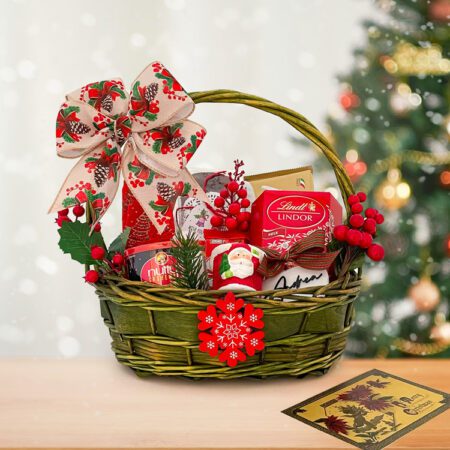
The Aussie Touch: Local Christmas Hampers
Freshness and Farm‑to‑Table Flair
Local hampers are a Hamper boxes celebration of Australian produce. Think honey from a backyard apiary, artisanal cheeses from a boutique dairy, or fresh crackers baked in a Sydney shop. The freshness factor is undeniable; ingredients are often harvested within hours of packaging, giving each bite a vibrant, seasonal taste that imported items sometimes lack.
Variety of Local Brands
Australia’s food scene is booming, with countless small‑scale producers turning their passion into premium hampers. From the vineyards of the Barossa Valley to the coastal farms of the Hunter Region, local hampers showcase:
- Region‑specific specialties (e.g., Tasmanian smoked salmon, Queensland mango preserves) Culturally diverse flavors (Indonesian sambal, Vietnamese fish sauce) Sustainable packaging (biodegradable boxes, reusable tins)
These hampers not only support local economies but also offer a narrative that resonates with many consumers who value community and authenticity.
The Global Gourmet: Imported Christmas Hampers
Exotic Flavors and International Brands
Imported hampers bring a world of taste to the Australian table. Whether it’s French truffles, Italian olive oil, or a selection of British biscuits, these hampers provide a passport‑style experience. They’re often curated by renowned international brands that have perfected their craft over decades.
Shipping and Sustainability Considerations
While the exotic appeal is strong, imported hampers come with logistical baggage. Shipping across oceans adds to the carbon footprint, and the packaging is sometimes less eco‑friendly. Moreover, the longer supply chain can lead to:
- Higher shelf‑life requirements (preservatives, vacuum sealing) Variable freshness (especially for perishable items) Customs delays that may affect delivery timing
Consumers increasingly weigh these factors when deciding between local charm and global flair.
Price Points and Value: A Side‑by‑Side Look
Cost Breakdown
The price difference between local and imported hampers is often a deciding factor. Here’s a quick snapshot:
- Local hamper: $80–$120 (includes fresh produce, artisanal goods, and eco‑friendly packaging) Imported hamper: $120–$200 (includes premium international items and higher shipping costs)
Hidden Fees
Don’t forget the extra costs that can inflate the final price:
- Customs duties on imported goods Handling fees for fragile items Late‑delivery surcharges if the holiday rush hits
When you factor in these hidden fees, the value proposition of local hampers becomes clearer for many shoppers.
Taste Tests: What the Tasters Say
Local vs Imported Palates
A recent survey of 500 Australian households revealed that 68% preferred local hampers for their freshness, while 32% favored imported hampers for their novelty. The key takeaway? Taste is subjective, but the “farm‑to‑table” experience often wins hearts during the holiday season.
Anecdote: My Uncle’s Christmas Hamper Surprise
I once visited my uncle in Brisbane, and he was delighted when I brought him a local hamper featuring honey, cheese, and a jar of his favorite chutney. He laughed and said, “It’s like a taste of home, even if I’m in the city.” That simple moment reminds us that a hamper is more than food—it’s a story wrapped in a box.
Practical Tips for Choosing the Right Hamper
Size and Packaging
- Small hampers ($50–$80) are ideal for a single person or a couple. Medium hampers ($80–$120) suit families or office groups. Large hampers ($120–$200) are best for lavish celebrations or corporate gifting.
Consider the recipient’s space and storage preferences. Local hampers often come in reusable tins, whereas imported ones may use paper or cardboard boxes.
Seasonal Availability
Local hampers can be tailored to seasonal Australian produce, making them perfect for Christmas when the sun is still warm. Imported hampers, however, might arrive late in the season due to shipping schedules, so timing matters.
Customisation Options
Many local producers allow you to add a personal note or choose specific items. Imported hampers often have pre‑set selections, but some brands offer customisable bundles for an extra fee.
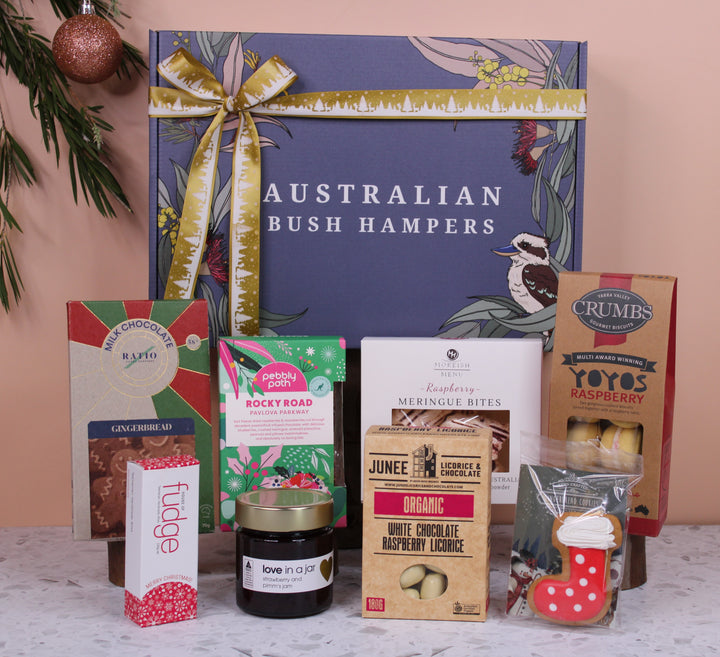
Making Your Selection Count
When it comes Holiday gift to choosing between local and imported Christmas hampers, the decision boils down to what you value most: freshness, community support, or international flair. As the famous Australian chef, Kylie Kwong, once said, “Food is a conversation, and every bite tells a story.” Whether that story is a local farm’s sunrise or a distant country’s midnight market, the right hamper will spark joy and conversation at your holiday table.
So, before you click “add to cart,” pause and ask yourself: What kind of taste adventure do I want to give? Whether you lean toward the familiar warmth of local produce or the exotic allure of imported delicacies, the perfect hamper is waiting to be unwrapped. Happy gifting!